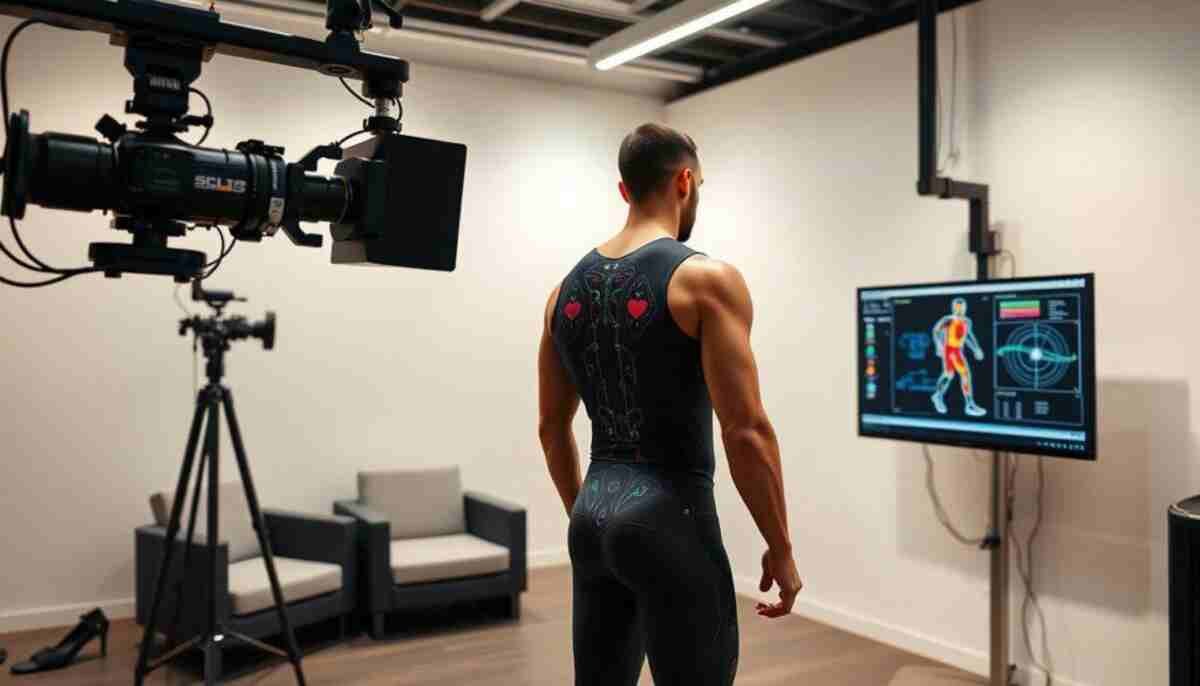
The world of sports is no longer driven purely by talent and hard work. In 2026, sports science innovations are transforming athlete performance into a highly calculated, data-driven discipline where every movement, heartbeat, and recovery cycle is analyzed and optimized. From wearable technology to artificial intelligence and advanced recovery systems, modern athletes are now supported by a powerful ecosystem of science and technology that is reshaping how champions are made.
One of the biggest breakthroughs comes from wearable technology, which has become a cornerstone of modern training. Devices such as smartwatches, GPS trackers, and biometric sensors now collect real-time data on heart rate, speed, endurance, and even body temperature. This constant stream of information allows athletes and coaches to make immediate adjustments to training routines, reducing the risk of injury while maximizing performance output.
The impact of wearables is growing rapidly, with 2026 trends showing that these devices remain the most influential innovation in fitness and sports performance. Athletes can now track not just how hard they train, but how effectively their body responds, including recovery rates and fatigue levels. This shift has turned training from guesswork into a precise science.
Artificial intelligence is playing an equally transformative role. AI-powered systems analyze vast amounts of performance data to create personalized training programs tailored to each athlete’s unique physiology. These systems can predict fatigue, suggest optimal training loads, and even simulate game scenarios to improve decision-making under pressure. This level of personalization ensures that athletes are not just training harder, but smarter.
Another major advancement lies in biomechanics and motion analysis. High-speed cameras and advanced modeling systems break down every movement into measurable components, helping athletes refine their technique with incredible precision. Recent research highlights how the integration of biomechanical models with AI and wearable technology is revolutionizing sports science, bringing laboratory-level analysis into real-world training environments.
Recovery technology has also emerged as a critical factor in athlete performance. Modern sports science recognizes that performance is not only built during training but also during recovery. Innovations such as compression therapy, heat and cold treatments, and AI-driven recovery systems are helping athletes recover faster and perform consistently at high levels. Recent developments show that recovery-focused technologies are becoming as important as training tools, creating a more holistic approach to performance.
In addition, robotics and advanced engineering are pushing the boundaries of what the human body can achieve. Exoskeletons and performance-enhancing wearables are being developed to support muscle movement, improve strength, and reduce physical strain during training. These technologies are not only helping elite athletes but are also finding applications in rehabilitation and general fitness.
Data integration is another key trend shaping the future of sports science. Modern sports organizations are moving toward unified systems that combine wearable data, video analysis, and performance metrics into a single platform. This allows coaches and analysts to gain a complete understanding of an athlete’s condition and performance, enabling faster and more informed decision-making.
Even competitive sports events are beginning to embrace these innovations. In tennis, for example, major tournaments are now allowing players to use wearable data-tracking devices during matches, providing insights into physical performance and recovery that were previously unavailable. This marks a significant shift toward transparency and data-driven competition at the highest levels.
Ultimately, sports science innovations are redefining what it means to be an athlete. Success is no longer determined solely by physical ability but by how effectively technology and science are used to enhance performance. Athletes today are supported by a network of data, analysis, and cutting-edge tools that allow them to push beyond traditional limits.
As these technologies continue to evolve, the gap between human potential and peak performance will continue to narrow. The future of sports is not just faster or stronger—it is smarter, more efficient, and deeply connected to the science that powers human performance.