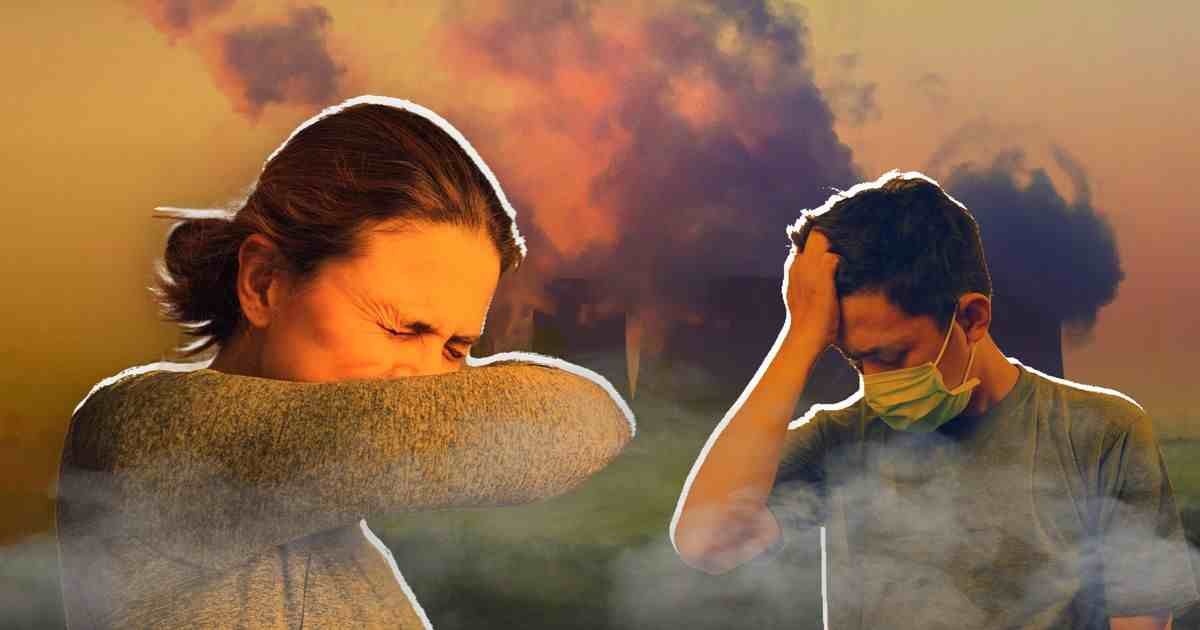
During the first half of 2026, Western Europe experienced record breaking high temperatures. Recent studies show that parts of Western Europe experienced extreme heatwaves, reaching nearly 2/3 of the time that children lived in those regions during the first six months of 2026. The study signifies how affected Western Europe’s children were during the first half of 2026 and how urgent it is that better protections are in place.
Children are Mainly vulnerable to extreme heat when they occur. As the mechanisms of temperature regulation are different in children, they are more prone to dehydration, heat exhaustion and other heat-related health conditions. Health professionals have also cautioned that extended heatwaves can also impact sleep, learning and physical activity.
The most recent report describes a worrying account of how increasing global temperature trends are altering our daily life across Europe. Several European cities had sustained and repeated record breaking high temperatures from spring to early summer, while schools, parks and recreations areas had to adapt to the persistent soaring weather. They also suggest that climate change is leading to a rise in the number of more severe extreme weather events.
Has short-lived heatwaves previously experienced only every 10 years are now occurring more regularly, enduring longer, and covering broader regions. For children of today, experiencing prolonged long periods of extremely hot weather is here to stay instead of a rare event. Urban areas are Mostly susceptible because of the ‘heat island’ thing.
The nation’s buildings, roadways, and concrete surfaces trap heat and radiate it during the day. During nighttime the city is much warmer than the surrounding rural areas, depriving children of opportunities to cool down and recover from a hot day. So, healthcare providers would advise a parent or carer to take extra care in very hot weather.
Children can be best protected by giving them plenty of fluids, encouraging them to wear light weight clothing and to avoid outdoor activities during the peak heat of the day and by providing cool or shaded areas to play in. Schools and nurseries are now starting to make changes like not having outdoor activities during the heat of the day and having unrestricted access to drinking water and shade. Aside from the direct health implications, academics are also exploring how long-term effects of continuous heat exposures affect children’s development.
Though further studies are required, scientists suggest extended survival in adverse climate conditions can impact physical health, mental stability and even educational achievement; In particular for children situated in overcrowded downtowns. While noting the obvious health risks of higher temperatures, the report discusses the disproportionate effects of global warming on different segments of our society.
Children of poorer families are more vulnerable, for example, due to a lack of access to air-conditioning, green space or sufficiently insulated house.
These inequalities have led public health professionals to advocate for climate adaptation policies that take into account the needs of at risk communities. Governments throughout Europe are in the process of developing or implementing countries’ heat action plans in response to alterations in existing weather patterns. Urban areas are increasingly adopting measures like urban forests, green roofs, cooling centers, and enhanced emergency warning systems to lessen the impacts of increasingly extreme temperature conditions.