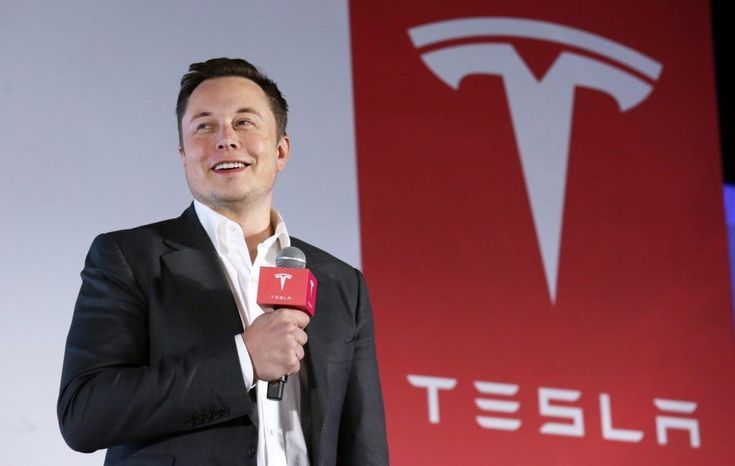
Elon Musk’s ambitious $1 trillion pay package proposal has stirred major controversy in the global corporate landscape, drawing sharp criticism from investors and financial institutions. Among the most vocal opponents is Norges Bank Investment Management (NBIM), the world’s largest sovereign wealth fund, which has publicly announced its decision to vote against Musk’s compensation plan. This clash underscores growing tension between corporate leadership power and shareholder accountability in today’s trillion-dollar companies.
The pay package in question—one of the largest in corporate history—ties Musk’s compensation to a series of market capitalization and performance milestones for Tesla. If approved, the plan would grant Musk billions in stock options, potentially pushing his total earnings toward the unprecedented $1 trillion mark over time. Proponents argue that the package reflects Musk’s central role in driving Tesla’s innovation, market dominance, and expansion into clean energy and AI sectors. Critics, however, see it as an excessive and risky reward structure that could dilute shareholder value and skew corporate priorities.
Norges Bank Investment Management, which manages over $1.7 trillion in assets and holds significant stakes in major global corporations, has been vocal about its commitment to responsible governance. In its statement, NBIM expressed concerns about the “scale and structure” of Musk’s pay proposal, emphasizing that executive compensation should align with long-term shareholder interests and sustainable corporate performance. The fund’s stance carries weight, as it reflects broader institutional skepticism toward oversized executive pay in tech-driven companies.
The opposition from NBIM could influence other large investors to take a similar stance. Historically, shareholder votes on executive compensation at Tesla have been contentious. In 2018, Musk’s earlier $56 billion pay deal—the largest of its time—sparked legal battles and scrutiny from regulators and shareholders alike. That plan was eventually struck down by a Delaware court in 2024, which ruled that the board had failed to ensure fairness and transparency in approving the compensation structure.
Tesla’s board, on the other hand, defends the new proposal as essential to retain Musk’s leadership and vision at a time when the company faces growing competition from legacy automakers and new EV startups. They argue that Musk’s strategic direction has been crucial to Tesla’s transformation from a niche electric carmaker into a global energy and technology powerhouse. His leadership has not only shaped the company’s trajectory but has also inspired investor confidence, reflected in Tesla’s massive market cap growth over the past decade.
However, critics point out that such immense pay packages create an unhealthy concentration of wealth and power at the top, potentially setting a dangerous precedent in corporate governance. They argue that tying compensation primarily to market capitalization can encourage short-term gains rather than long-term innovation and stability. Furthermore, Musk’s multiple roles at SpaceX, X (formerly Twitter), and other ventures raise questions about his ability to dedicate sufficient focus to Tesla’s evolving challenges.
This debate extends beyond Tesla and Musk—it represents a broader conversation about fairness, accountability, and the future of executive pay in the modern corporate world. As the push for ethical investing and environmental, social, and governance (ESG) compliance grows, institutions like NBIM are taking stronger stands against disproportionate compensation practices that may not serve shareholders or employees equally.
The final outcome of this pay package vote could set a landmark precedent for corporate governance and executive accountability in the tech industry. Whether Musk’s vision outweighs investor concerns remains to be seen, but one thing is clear: the world is watching closely as Tesla’s board and shareholders decide how much one man’s leadership is truly worth in the trillion-dollar economy.