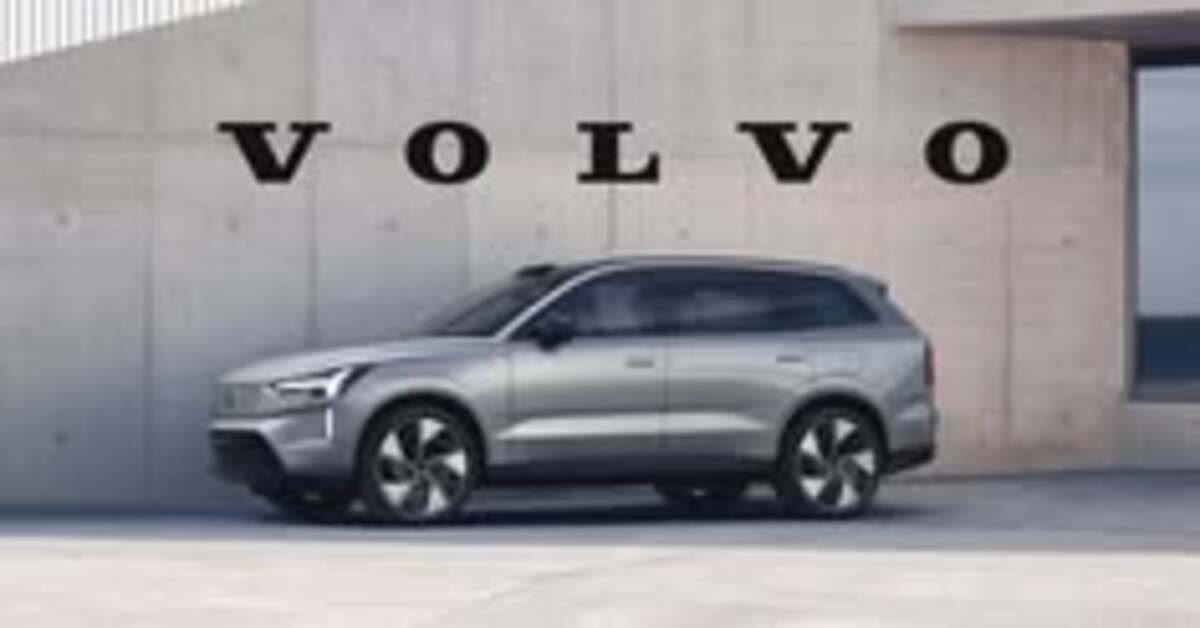
In a landmark decision for car innovation and international business, Volvo has gained an exemption from a United States’ ban on connected cars with Chinese technology. This was revealed in late May 2026. This allows this Swedish luxury marque to keep its cutting-edge infotainment systems and connected features without disruptions in the US market, which is a big relief for both the company and its customers.
The exemption arrives when the government of the US was considering to ban such a thing this year due to national security concerns. The reason is that cars with Chineselinked software and hardware may send sensitive data to foreign parties. Such an action would have As a result led many car manufacturers who are getting Chinese components in their supply chains to either redesign their systems or delay new model launches. As such Volvo the Chinese-owned Geely Holding Group since 2010 company, would be naturally targeted. Still, even after a prolonged period of talks and exhibiting stringent data protection protocols, Volvoconvinced the authorities that its connected vehicle technology complies with the highest American safety and privacy standards.
For the ordinary user, that is like a relief. Imagine Sarah Mitchell, a mom from Seattle who recently test-drove a Volvo XC90: “I enjoy the way my Volvo predicts traffic and how it keeps me connected in a secure manner, ” she said. “The news about a possible ban worried me about the future updates, but now I am sure to continue with the brand.” The connected features of Volvo like live navigation, updates over the air, and the easy linking with smartphones have become the key elements that can charm the customers. Without these, not only the sales would have been affected but also the brand’s image as a thoughtful Scandinavian design combined with top-notch technology.
This decision sets Volvo apart from other car manufacturers. Apart from having their main office and factory in Sweden, this company has experienced the growth of their electric vehicle program by using Geely’s resources to raise the bar. For such electric vehicle models as the EX90 and the yet-to-be-released electric sedans rely more and more on connected systems begetting of the work of advanced computing platforms. The authorization of approval from the authorities is a blessing in disguise since there is no need to spend the money on the re-engineering which the competitors like the German and American brands will be cost enact. Some industry experts consider this decision as a stepping-stone for Volvo to make a breakthrough in the premium EV sector where being connected is a feature that will make the purchasing decision.
That decision also reflects the complexity of today’s automotive supply chain. Most vehicles combine parts from different countries, so for many manufacturers, entirely cutting off Chinese technology isn’t an option. Volvo showed its systems are based on encrypted data storage, localized processing, and user controls that are transparent so that the main concerns of regulators for data security are resolved. Perhaps, this kind of compromise will pave the way for other brands to get similar exemptions down the line.
In the future, Volvo intends to offer connected vehicles with more individualized features. The company is releasing new software with enhanced driver monitoring features for improved safety, the alert system for predicting issues, and more seamless integration with smart home technologies. For American consumers, the path to fully experiencing Volvo won’t be interrupted. Besides that, the company has pledged to set up data centers in the US as a part of their commitment to localize their operations more and build more trust.
Yet, there are still difficulties in this changing regulatory environment. Some consumer groups are still demanding more transparency in labeling vehicle data practices. Some lawmakers want stricter regulations. But, Volvo’s victory is proof that the collaboration between the government and industry can find solutions that work, where protecting security and encouraging innovation are both given priority.
As electrification and connectivity become standard features in vehicles, such stories make us realize the role of global partnerships in how we travel daily. Across the United States, Volvo drivers have the comfort of knowing that their vehicles will continue to provide them with safety, comfort, and intelligence that they have been accustomed to. This exemption not only helps one brand but also contributes to the large-scale switch to smart and environmentally-friendly transport while keeping a balance with geopolitics.
Volvo owners planning on their summer 2026 road trips have one less thing to stress about thanks to this new policy. Their cars will remain connected, capable, and in compliance, demonstrating that well-thought-out engineering and wise diplomacy have a place even on the road to the future.