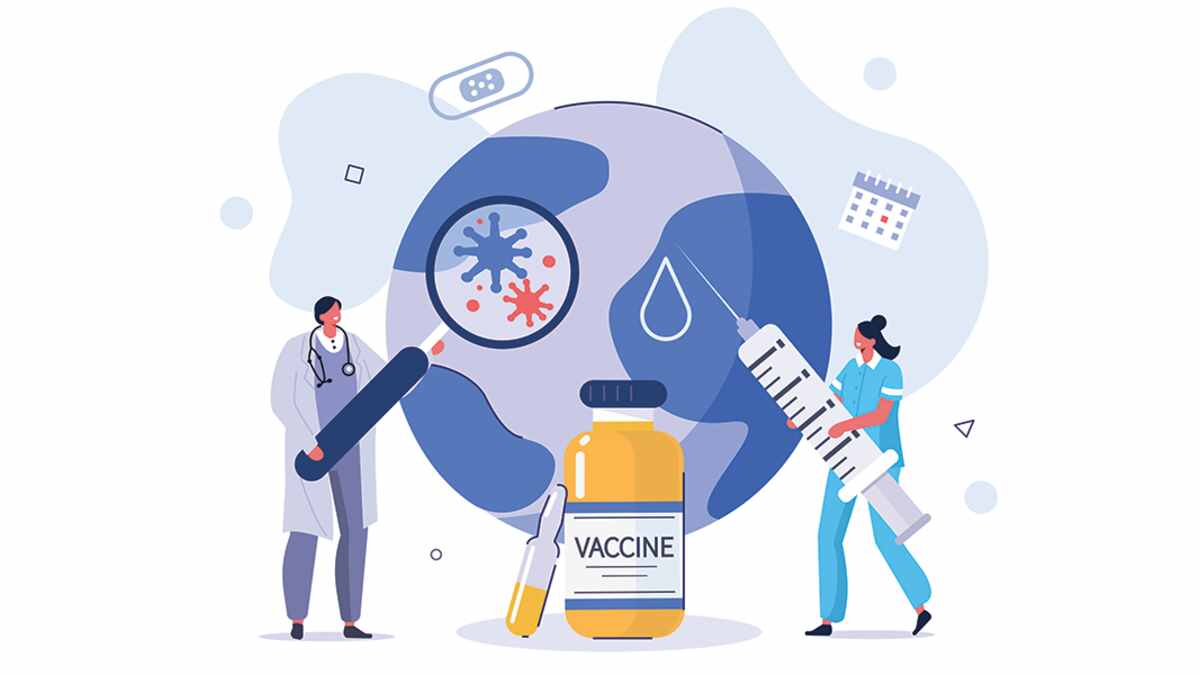
Global vaccination efforts and disease prevention strategies are entering a decisive phase in 2026 as governments, health agencies, and research institutions respond to emerging infections, antibiotic resistance, and post-pandemic public health challenges. From next-generation vaccines to renewed immunization drives in low-income regions, the global health ecosystem is undergoing rapid transformation to prevent future outbreaks and strengthen resilience.
One of the most significant developments this year is the accelerated rollout of updated vaccines targeting fast-mutating respiratory viruses. Health authorities, in coordination with the World Health Organization, have prioritized adaptive vaccine platforms such as mRNA and protein-subunit technologies. These platforms allow scientists to update formulations more quickly than traditional vaccines, ensuring better protection against newly detected variants of influenza-like illnesses and coronaviruses circulating across Asia, Europe, and parts of Africa.
At the same time, global measles and polio vaccination campaigns have regained urgency. After several years of disrupted routine immunization caused by the COVID-19 pandemic, multiple countries reported concerning spikes in preventable childhood diseases. In response, international health alliances and national governments launched mass catch-up vaccination programs, focusing on rural communities, refugee populations, and urban areas with low immunization coverage. Early data from South Asia and Sub-Saharan Africa suggests these campaigns are already reducing outbreak intensity.
Another major focus in 2026 is the fight against antibiotic-resistant infections. Health agencies have raised alarms over the growing number of bacteria that no longer respond to existing treatments. To counter this, new vaccines aimed at preventing bacterial infections before they require antibiotics are moving through late-stage clinical trials. Researchers believe that widespread use of these preventive vaccines could significantly reduce hospital-acquired infections and ease pressure on overburdened healthcare systems.
Global vaccination strategies are also being reshaped by advancements in disease surveillance. AI-powered monitoring systems now analyze health data, wastewater samples, and travel patterns to detect early signs of outbreaks. These systems allow authorities to deploy vaccines and medical resources more rapidly, often before diseases spread internationally. Experts see this proactive approach as a turning point in how the world handles infectious threats, shifting from reactive responses to prevention-first models.
Meanwhile, climate change is influencing disease patterns, pushing vaccination programs into new territories. Rising temperatures and changing rainfall have expanded the geographic range of mosquito-borne diseases such as dengue and malaria. In response, new vaccines and booster programs are being introduced in regions that historically did not require them. Public health officials emphasize that vaccination strategies must now account for environmental changes alongside traditional epidemiological data.
Public trust and vaccine access remain central challenges. While high-income countries continue to benefit from strong supply chains, lower-income nations still face logistical barriers, including cold-storage limitations and workforce shortages. To address this gap, global health organizations are investing in heat-stable vaccines and local manufacturing hubs. These efforts aim to reduce dependency on imports and ensure faster response times during health emergencies.
Looking ahead, 2026 is shaping up to be a defining year for global disease prevention. With scientific innovation accelerating and international cooperation strengthening, vaccination is once again being recognized as one of the most powerful tools in modern medicine. However, experts caution that sustained political commitment, public education, and equitable distribution will determine whether these breakthroughs translate into long-term global health security.
As the world faces evolving biological risks, the renewed momentum in vaccination and disease control offers cautious optimism that future outbreaks can be contained faster, with fewer lives lost and less disruption to societies worldwide.