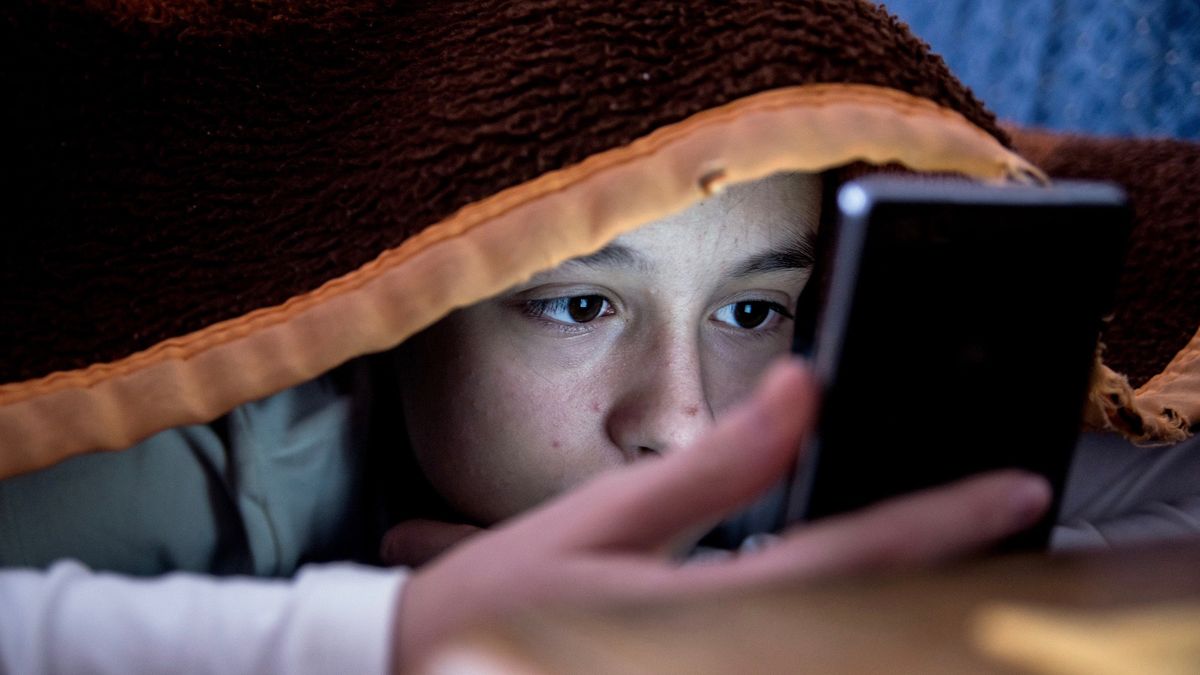
In today’s fast-paced digital world, smartphones have become our constant companions—from early morning alarms to late-night scrolling sessions. But as technology continues to dominate our routines, it’s increasingly clear that excessive screen time, especially before bed, is taking a toll on our sleep hygiene. Scientists and sleep experts warn that our nightly digital habits are silently affecting not only how long we sleep but also how well we rest.
Smartphones, tablets, and laptops emit blue light, a high-energy wavelength that suppresses the production of melatonin—the hormone responsible for regulating sleep. When you’re scrolling through social media, watching videos, or checking emails before bedtime, your brain stays active and alert, delaying the natural transition into sleep. This can lead to difficulty falling asleep, restless nights, and daytime fatigue. Over time, poor sleep hygiene linked to technology use can contribute to more serious health issues like anxiety, depression, and weakened immunity.
Studies have shown that even short exposure to blue light before bedtime can shift your body’s circadian rhythm—the internal clock that controls sleep and wake cycles. For teenagers and young adults, who are often the heaviest smartphone users, this effect is even more pronounced. The endless notifications, constant dopamine hits from social media, and late-night digital engagement disrupt the body’s ability to relax and prepare for deep, restorative rest.
Yet, technology isn’t inherently bad—it’s about how we use it. The good news is that improving sleep hygiene doesn’t require giving up your smartphone entirely; it just takes mindful adjustments. Experts recommend implementing a “digital curfew” at least an hour before bedtime. This means turning off screens or switching to night mode to reduce blue light exposure. Many modern smartphones now come with built-in features like “bedtime mode” or “focus mode,” which silence notifications and dim displays automatically during designated hours.
Creating a healthy bedtime routine can also make a huge difference. Replace late-night scrolling with relaxing activities like reading a physical book, meditating, or listening to soft music. If you use your phone as an alarm, keep it on a nightstand away from your bed to minimize the temptation to check it. Investing in blue light–blocking glasses or enabling the “night shift” feature on devices can further reduce strain on your eyes and brain.
Moreover, sleep experts emphasize the importance of maintaining consistent sleep and wake times, even on weekends. Your body thrives on routine, and aligning your digital habits with your biological clock can dramatically improve sleep quality. Limiting caffeine intake in the evening, keeping the bedroom cool and dark, and avoiding emotionally stimulating content online are other simple yet effective steps.
Technology can also play a positive role when used consciously. Apps that promote relaxation, mindfulness, or white noise can help you wind down. Wearables and smartwatches can track sleep patterns, providing insights into your rest quality and helping you identify problem areas. The key lies in using technology as a tool for better sleep, not as a source of distraction.
In essence, good sleep hygiene in the digital age is about balance. By setting boundaries with your devices, prioritizing relaxation, and respecting your body’s natural rhythms, you can reclaim your nights for genuine rest. As we continue to rely on technology more than ever, learning to power down our screens—and our minds—before bed might just be the most powerful wellness habit of all.