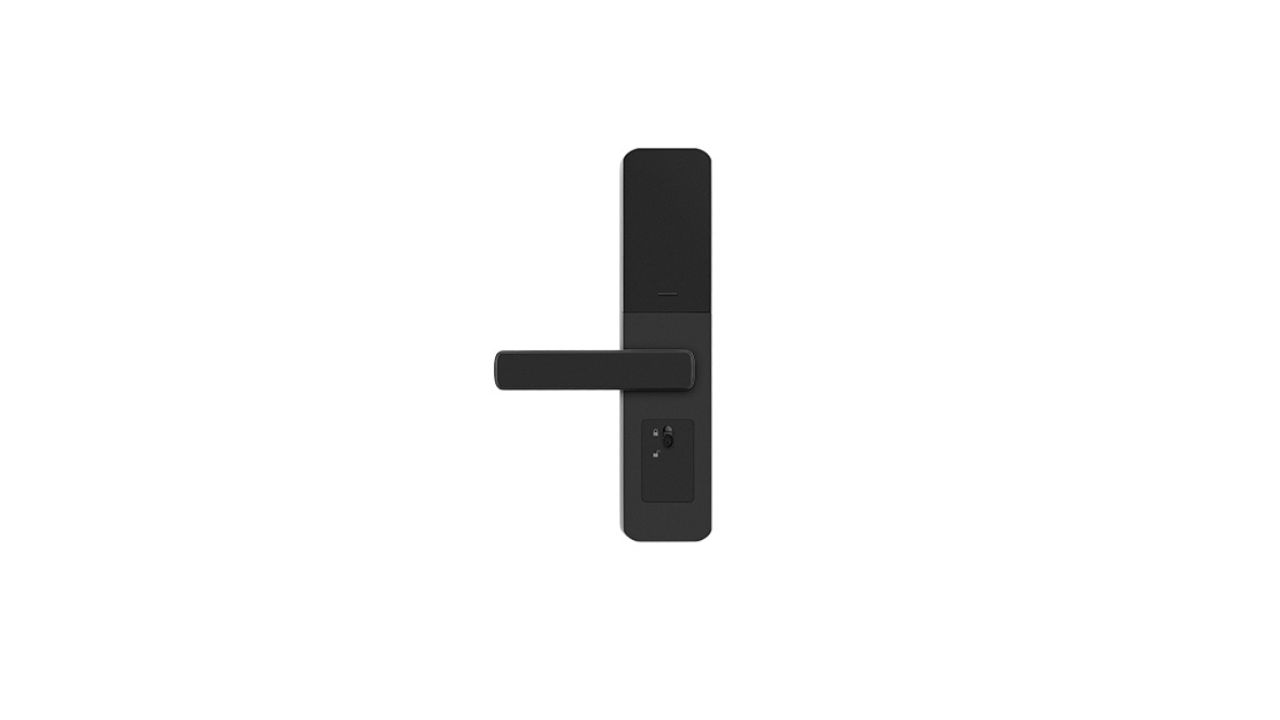
With a remarkable increase in global adoption, the digital gate lock market is projected to soar u by 2032. This growth showcases a significant shift as more homeowners now recognize the benefits of upgrading their security systems.
Digital locks are reshaping home security as tech evolves, offering convenience and advanced features that traditional locks can’t match. These locks enhance convenience and security, allowing homeowners to manage access remotely through smartphone or biometric features.
Either way, it is important to note that modern smart locks vary in the level of protection they offer, and understanding these differences can help ensure you make the right decision. Here are the top factors to watch out for before choosing a digital gate lock.
Type of Property and Usage Patterns
Your digital gate lock should match the nature of the property and how the door is leveraged. A residential home with limited daily access has very different needs compared to a commercial space with constant foot traffic.
For instance, homes might prioritize ease of use, such as fingerprint or app-based locking for family members. Things tend to be different with a commercial space since they may call for features such as audit trails, programmable codes, or even cloud access control to accommodate multiple users.
It doesn’t end with that since you need to evaluate the physical traits of the door, like wood, steel, aluminum, or glass. The essence of doing this is to determine which digital gate lock models are compatible. For example, a frameless glass door in an office calls for a very different locking mechanism compared to a solid-core wooden front door at home.
Access Method Flexibility
How users access your property has an important role to play in the type of smart lock you settle on. Some locks count on PIN codes or keycards, while others support biometrics, mobile apps, or even voice control. The right access method depends on how many people will use it, how often their access changes, and whether some users need time-bound or role-specific permissions.
Assuming your property has a rotating group of users like short-term tenants, contractors, or shared office teams, then choosing a look that allows for multiple user profiles and remote credential management will work to your advantage. On the other hand, a single-family home might prefer a biometric system paired with mobile backup.