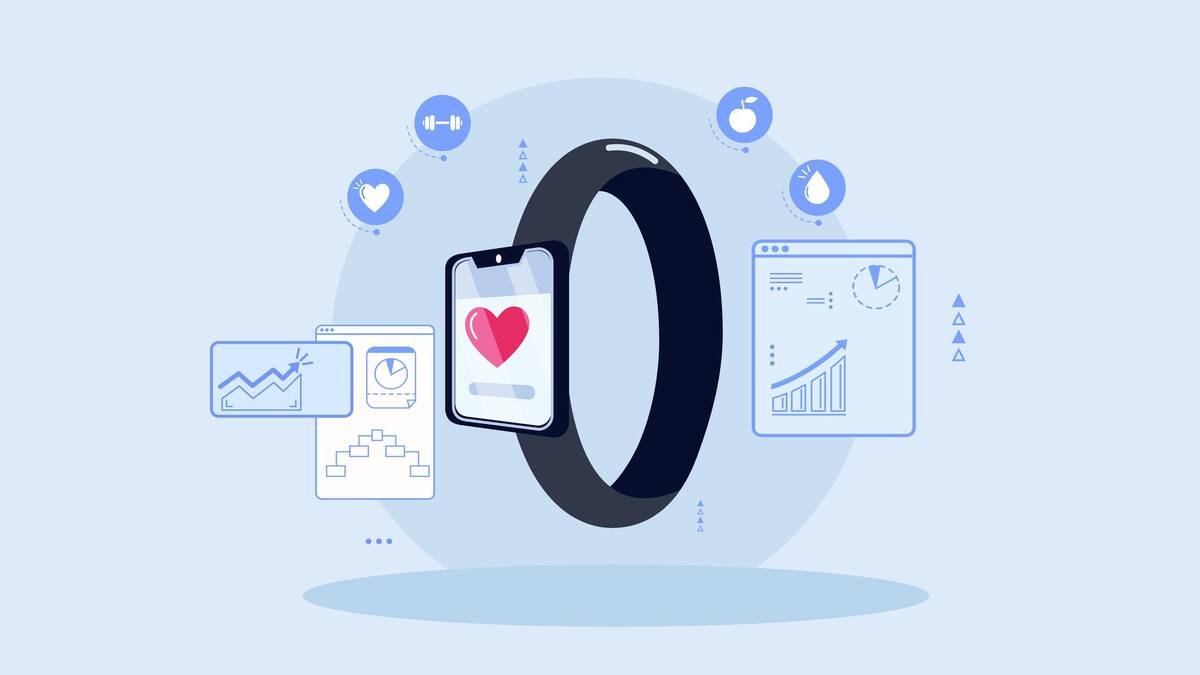
The healthcare industry is undergoing a major transformation as wearable biosensors move from simple fitness tracking into advanced, real-time health monitoring systems. These next-generation devices are no longer limited to counting steps or tracking calories. Instead, they are becoming powerful tools capable of continuously monitoring vital health data and detecting early signs of disease before symptoms even appear.
From smartwatches to skin patches and smart clothing, wearable biosensors are rapidly integrating into everyday life. Their ability to collect and analyze real-time biological data is reshaping how individuals manage their health, shifting the focus from reactive treatment to proactive prevention.
Real Time Monitoring Changing Healthcare
One of the most significant breakthroughs in wearable biosensors is their ability to provide continuous, real-time insights into the human body. Modern devices can track heart rate, oxygen levels, sleep patterns, body temperature, and even blood glucose levels without requiring frequent medical visits.
Continuous glucose monitors, for example, have become one of the most successful applications of biosensor technology. These devices sit on the skin and provide near real-time readings, reducing the need for invasive testing methods and helping users manage conditions like diabetes more effectively.
Beyond glucose tracking, new biosensors are being developed to monitor a wide range of biomarkers, including hydration levels, stress indicators, and even neurological signals. This level of constant monitoring allows users and healthcare professionals to identify irregularities early and take timely action.
AI Integration Making Devices Smarter
The rise of artificial intelligence has further enhanced the capabilities of wearable biosensors. AI-powered systems can analyze large volumes of health data in real time, identifying patterns that would be impossible for humans to detect manually.
This means that devices are no longer just collecting data. They are actively interpreting it and providing actionable insights. For instance, modern wearables can detect unusual heart rhythms, predict potential health risks, and even suggest lifestyle changes based on user behavior.
In some cases, AI-driven wearables are being integrated with medical records, enabling a more personalized healthcare experience. This approach allows users to receive tailored recommendations based on their complete health profile rather than generic advice.
From Hospitals to Everyday Life
Traditionally, advanced health monitoring was limited to hospitals and specialized clinics. However, wearable biosensors are bringing these capabilities directly into homes and daily routines. Devices can now track neurological data, movement patterns, and physiological changes continuously, providing insights that were once only available through clinical testing.
Innovations such as smart patches and non-invasive sensors are pushing this transformation even further. New developments include biosensor patches capable of analyzing multiple biomarkers simultaneously, offering real-time diagnostics for conditions like infections or heart-related issues.
Even everyday products are being redesigned with biosensing capabilities. From smart rings to AI-powered fitness bands and intelligent clothing, health monitoring is becoming seamlessly integrated into daily life.
Rapid Growth and Future Potential
The rapid advancement of wearable biosensors is also reflected in market growth. The global biosensors market is expanding quickly, driven by increasing demand for real-time diagnostics and personalized healthcare solutions.
At the same time, governments and organizations are investing heavily in this technology to improve long-term health outcomes and reduce healthcare costs.
Future innovations are expected to focus on making biosensors even smaller, more accurate, and completely non-invasive. Researchers are also working on self-powered sensors and advanced materials that can extend device lifespan and improve user comfort.
Redefining Preventive Healthcare
Wearable biosensors are not just a technological trend. They represent a fundamental shift in how healthcare is delivered and experienced. By enabling continuous monitoring and early detection, these devices are empowering individuals to take control of their health like never before.
As technology continues to evolve, wearable biosensors are set to become an essential part of everyday life. They are turning health tracking into a seamless, intelligent, and proactive process, where the focus is no longer just on treating illness but on preventing it altogether.
This transformation signals the arrival of a future where healthcare is always on, always connected, and always one step ahead.