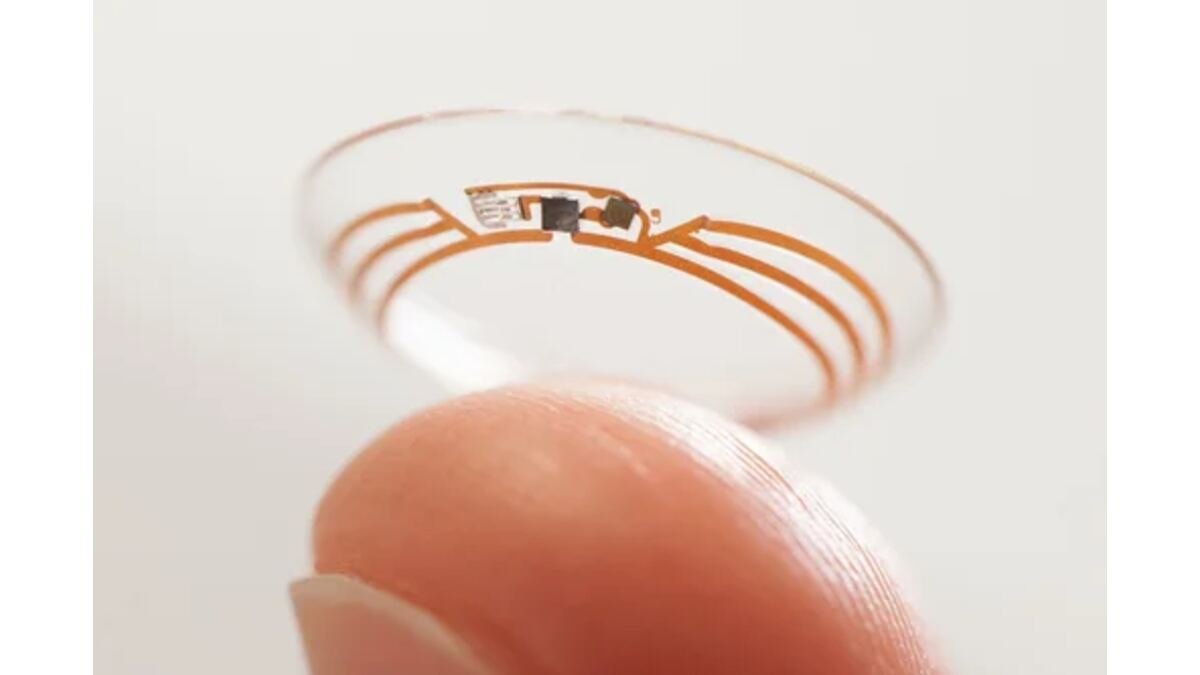
Medical technology is entering a new era where everyday wearable devices can monitor vital health information in real time. Among the most promising innovations is the development of smart contact lenses capable of measuring blood sugar levels continuously. Researchers and technology companies around the world are working on these advanced lenses, which could dramatically improve the lives of millions of people living with diabetes.
Traditional glucose monitoring methods typically require finger-prick blood tests or implanted sensors. While effective, these approaches can be uncomfortable and inconvenient for patients who need to check their glucose levels multiple times a day. Smart contact lenses offer a completely different approach by measuring glucose in tears rather than blood, enabling a painless and non-invasive way to monitor health. Scientists have discovered that glucose levels present in tear fluid correlate with blood glucose levels, making the eye a potential window into metabolic health.
The technology behind these lenses is surprisingly sophisticated. Smart contact lenses contain tiny biosensors embedded within the soft lens material. These micro-sensors detect glucose molecules in tear fluid and convert the chemical signals into electronic data that can be transmitted to a smartphone or medical device. Some designs place the sensors between two layers of soft hydrogel material with microscopic channels that allow tears to reach the sensor.
Once glucose levels are detected, the information can be processed by microelectronics integrated into the lens or transmitted wirelessly to an external device for analysis. In some experimental prototypes, readings can be generated every second, allowing continuous monitoring of glucose fluctuations throughout the day.
Researchers from major universities and technology companies have already demonstrated working prototypes. In one example, scientists developed a smart contact lens capable of continuously monitoring blood sugar levels accurately and quickly by analyzing tear chemistry. The goal is to provide diabetics with a seamless monitoring system that eliminates the need for frequent finger-prick tests.
The concept has also attracted strong interest from technology startups and global tech companies. At technology exhibitions such as Mobile World Congress 2026, companies have showcased prototypes of smart contact lenses that combine glucose monitoring with additional features such as augmented reality displays and wireless connectivity. These devices represent the next generation of wearable technology where healthcare monitoring merges with everyday digital tools.
Beyond diabetes management, smart contact lenses may have a wide range of medical applications. Researchers believe the same technology could be used to monitor other biological markers in tear fluid, including hormones, stress indicators, and indicators of neurological conditions. Advanced versions of these lenses could even deliver medications directly to the eye or monitor eye pressure in patients with glaucoma.
However, despite the enormous promise, several challenges remain before smart contact lenses become widely available. One major issue is ensuring that glucose readings from tears accurately reflect blood glucose levels under all conditions. Tear glucose concentrations are significantly lower than those in blood, which requires extremely sensitive sensors to maintain reliable measurements.
Manufacturing complexity and regulatory approval are also significant hurdles. Smart contact lenses must meet strict safety standards for medical devices while remaining comfortable enough for daily wear. Researchers are continuing to improve lens materials, miniaturized electronics, and wireless power systems to make the technology practical for everyday use.
Despite these challenges, experts believe smart contact lenses represent a major breakthrough in wearable health technology. As research progresses and prototypes move closer to commercialization, these tiny devices could fundamentally change how chronic diseases like diabetes are monitored and managed.
In the near future, something as simple as wearing contact lenses may allow people to track their health continuously without pain or inconvenience. If successfully developed and approved, smart contact lenses could become one of the most transformative medical innovations of the decade, turning the human eye into a powerful diagnostic tool for personalized healthcare.