The world of technology is rapidly evolving, and the start of 2026 has already delivered major developments that are reshaping industries, influencing markets, and laying the groundwork for future innovation. From artificial intelligence breakthroughs to strategic industry pivots, recent global tech news highlights a landscape defined by accelerating AI demand, strategic infrastructure investments, sector shifts beyond traditional tech dominance, and geopolitical maneuvering with far-reaching implications.
One of the most eye-catching developments comes from Nvidia, the AI chip giant, which has again been at the center of major announcements. Nvidia recently introduced a suite of open-source AI models designed to improve weather forecasting by making it faster and cheaper than traditional simulation methods. These new models, unveiled at a major meteorological conference in Houston, could transform how insurers and governments predict severe weather events by enabling rapid, cost-effective forecasting — potentially far faster than existing technologies.
Alongside these software advances, Nvidia is also making strategic moves on the hardware and infrastructure front. The company announced a $2 billion investment in AI infrastructure provider CoreWeave to boost data center capacity in the United States — positioning itself to better support the growing global demand for AI compute power as enterprises expand machine-learning workloads.
Beyond Nvidia’s direct actions, broader industry indicators show that AI-driven demand is lifting an entire ecosystem of chipmakers. Shares of major chip manufacturers such as Texas Instruments and ASML have climbed, reflecting strong data center spending and robust bookings for AI chip equipment. These trends suggest that demand for AI hardware is spreading beyond Nvidia’s high-end offerings to benefit a wider array of semiconductor suppliers.
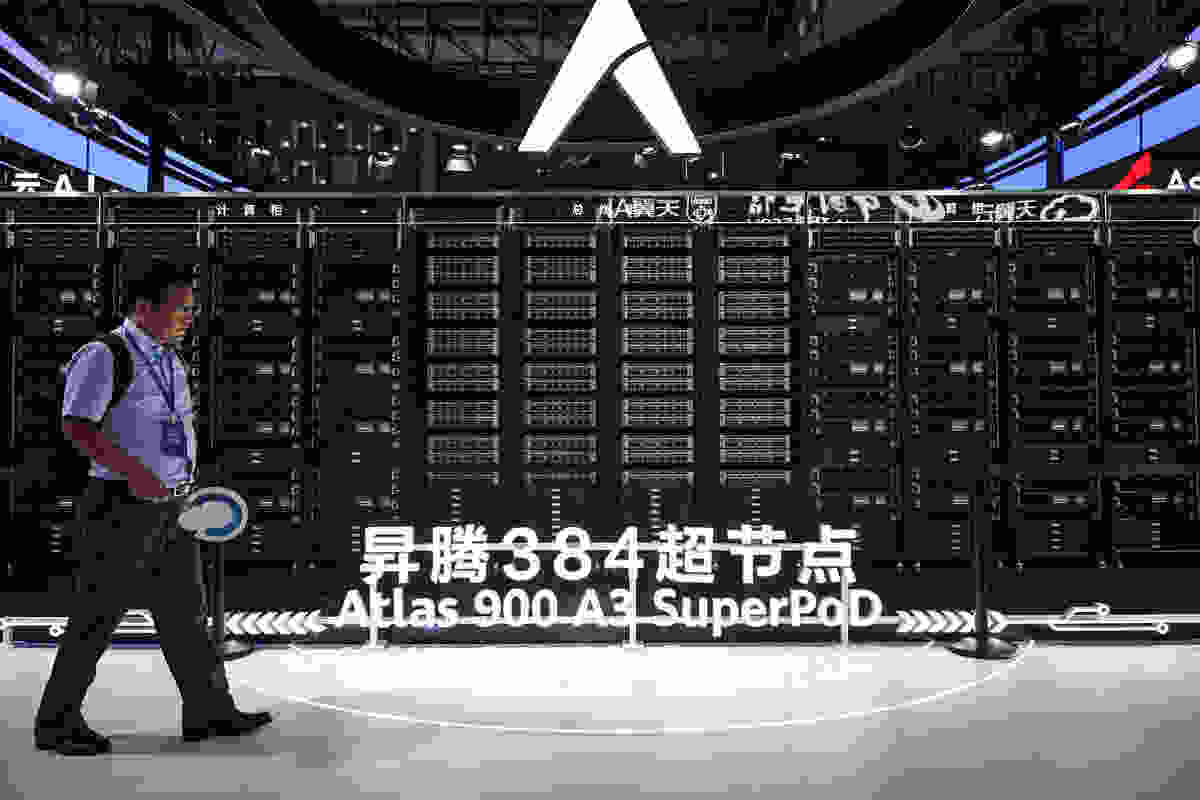
Another significant shift is happening at the geopolitical and regulatory level. China has approved its first batch of Nvidia’s powerful H200 AI chips for import, marking a notable pivot in policy amid years of tight controls on high-end foreign technology. This initial approval, reported to include several hundred thousand chips and allocated to major Chinese internet companies, signals Beijing’s attempt to balance domestic AI ambitions with much-needed access to cutting-edge hardware — an important milestone for global AI infrastructure markets.
This backdrop of hardware expansion and AI integration is happening as other tech giants navigate their own transitions. Amazon confirmed a new round of 16,000 corporate layoffs — part of broader restructuring to cut costs and refocus efforts on efficiency and AI-driven growth initiatives. Meanwhile, Apple is positioned for strong iPhone sales growth heading into its earnings reports, spurred by robust demand for premium models and new AI features developed in partnership with Google’s technology team.
Industry watchers are also tracking how markets are reacting to these trends. With AI investment booming but not yet translating uniformly into profit, Big Tech earnings reports are being closely watched for signs of tangible returns from massive AI spending. Alphabet (Google) has taken a lead in some areas, with growth driven by new AI product launches and strategic deals, even as Microsoft and Meta face investor scrutiny.
Amid these technology dynamics, broader market patterns suggest that leadership in the U.S. stock market may be shifting slightly beyond the core tech giants. Investors are increasingly looking toward sectors like industrials and healthcare to diversify leadership in the S&P 500, even as tech remains a central force in market performance and innovation trends.
The influence of AI also extends into research and academia, where new systems are being deployed to improve extreme weather prediction, enhancing preparedness for natural hazards tied to climate change. Teams at institutions like the Hong Kong University of Science and Technology are pioneering AI models that significantly extend forecasting ranges for severe weather — an important step forward in blending advanced computing with public safety applications.
These combined developments paint a picture of a technology sector in which rapid innovation, strategic investments, and global competition are closely intertwined. AI’s rise continues to drive both opportunities and challenges across hardware, software, regulatory environments, and economic expectations. As 2026 progresses, the ripple effects of these early milestones are likely to influence everything from global markets to the next generation of digital services and infrastructure. Stay tuned for how these trends evolve and what new breakthroughs emerge in the months ahead.