A major breakthrough in biotechnology has brought scientists much closer to enabling much less expensive, and much quicker genetic research.
Scientists have created a new silicon chip which could write the DNA sequences by using an electrical power simultaneously a discovery that could change all aspects of science from the discovery of medical drugs, medical research, to synthetic and even personalized medicine.
DNA synthesis has generally meant the lab slow expensive and difficult chemical process that takes a range of specialist chemicals and involves dozens of manufacturing operations. Scientists make a different or few DNA sequences usually one at a time or in limited lots through the traditional method. This makes research on genomics, generally speaking, both labor and time intensive. The development of such microchip with the possibility of synthesizing large amounts of DNA at one time by a very small amount of controlled electricity is a total revolution.
The invention joins molecular biotechnology and semiconductor engineering which, of course, the two fields, have been rapidly merging with each other in the past years. Same here, silicon wafers changed computing by making electronic devices smaller, faster, and more powerful, it now looks like scientists could believe that the newly developed technology of DNA writing would, in turn, greatly expedite the biological research field, bringing to all, even the very expensive genetic engineering.
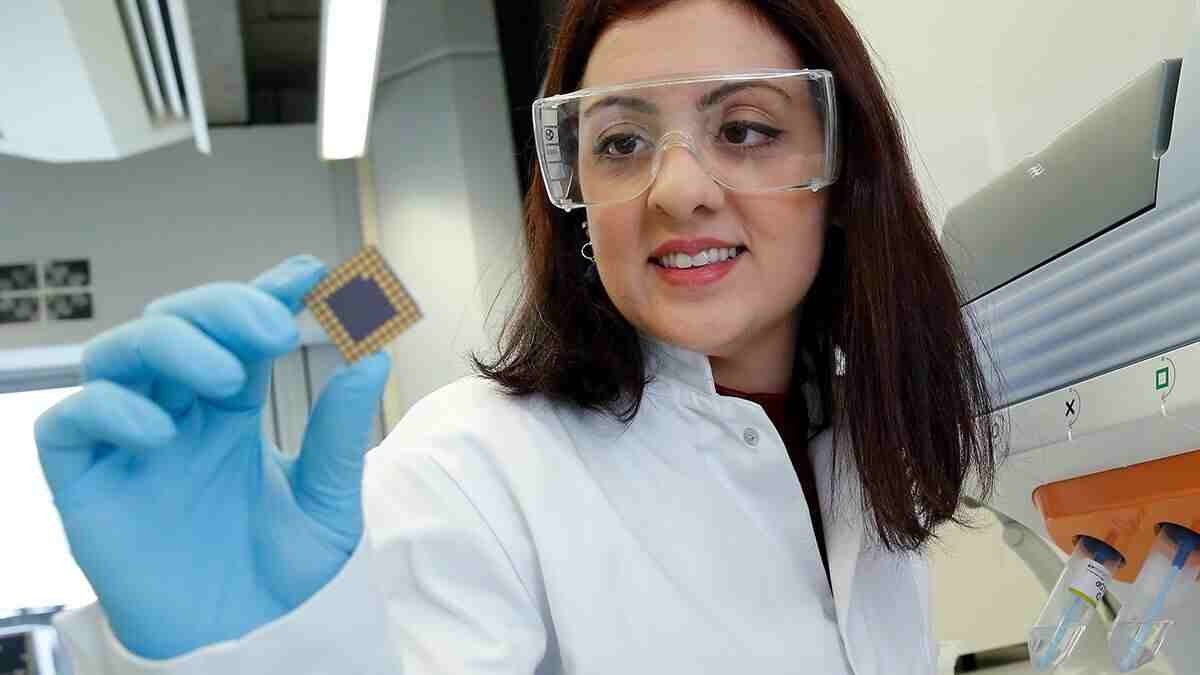
The microchip at the core of the invention has a lot of reaction spots which are tiny. Each spot can regulate independently the chemical reaction necessary for the formation of DNA molecules using electrical stimulation instead of relying only on traditional methods of delivery of chemicals which is the conventional technique. With that, scientists can create multiple unique DNA sequences on one chip, one after another, with great accuracy.
The double helix DNA structure contains all the genetic information of living beings; in effect, the instructions on how a cell should grow, develop, and carry out its function. Today’s biotech industry regularly puts the creation of custom-made DNA sequences at the scientists’ top priorities in their experiments involving such areas as disease research, vaccine development, gene therapy, better agricultural techniques, and also synthetic biology. The speed with which DNA is synthesized determines how much the projects in these fields can benefit from such a change that faster DNA sequence production brings.
Time and cost effectiveness are among the big pluses of the new method. A few complex sequences of genetic code might be synthesized using the standard method in a number of days when multiple different fragments of DNA are required. Simultaneously synthesizing dozens of sequences, That means, researchers have a tremendous increase in output without the lab being more expensive.
The technique can bring a lot to drug development besides. Drug companies researchers work with man-made DNA to make drugs and study how diseases work, etc. Having a better DNA synthesis machine allows them to work faster so they can get to the clinical trials faster, which is great not only for developing drug compounds but also for bringing them to the market at the earliest.
The medical application of this innovation also includes personalized medicine. When health services are personalized based on a patient’s genome, rapid DNA synthesis may become the method not only to make tailor-made diagnostic tests but also to create customized therapeutic solutions. Precise and more effective treatments might eventually become possible due to the further development of genetic engineering technologies.