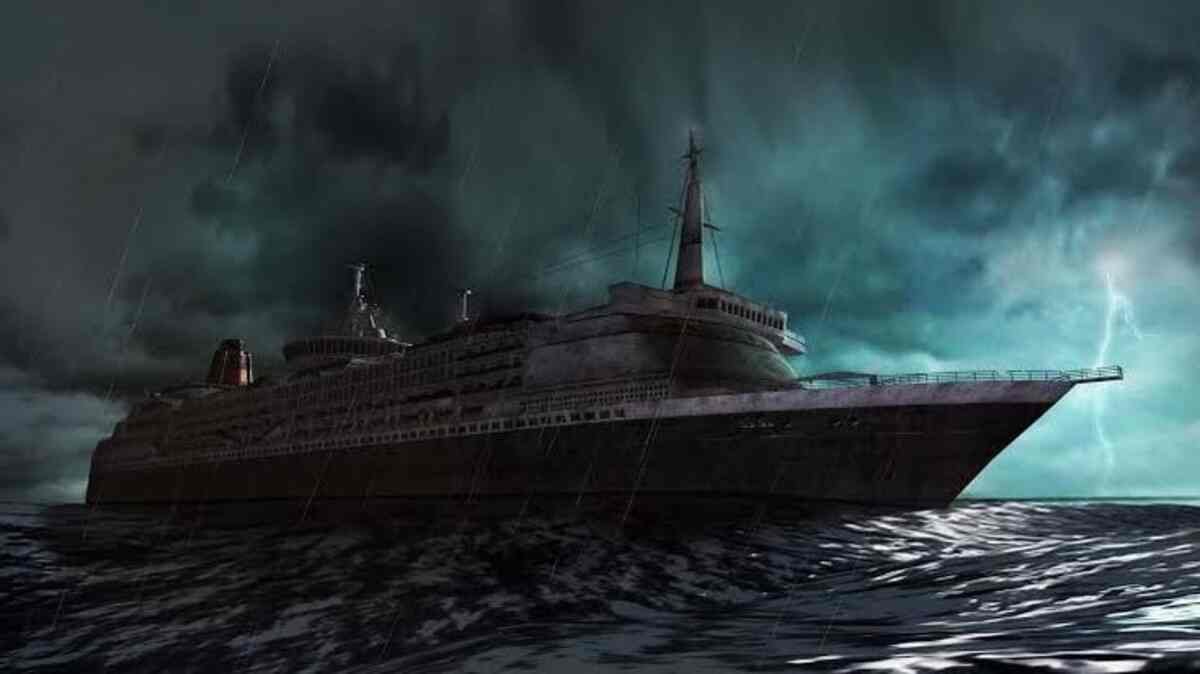
A luxury expedition cruise turned tragic in May 2026 when the Dutch-flagged MV Hondius became the site of a rare hantavirus cluster. Health authorities confirmed the outbreak involved the Andes virus strain, resulting in three deaths and multiple confirmed infections among passengers and crew from over 20 countries. The incident has sparked international concern due to the virus’s unusual potential for limited person-to-person transmission.
The MV Hondius departed Ushuaia, Argentina, on April 1, 2026, for a 33-day polar and transatlantic voyage. Early in the trip, passengers likely encountered the virus through rodent droppings or contaminated environments during shore excursions in southern Argentina. The first victim, a 70-year-old Dutch man, developed severe respiratory symptoms and died aboard the ship on April 11. His wife later disembarked at Saint Helena and succumbed to the illness shortly after. A third passenger, a German woman, also died from complications.
By early May, the World Health Organization was notified of a cluster of severe acute respiratory illnesses. Initial reports documented seven cases, including three deaths. Laboratory testing later confirmed the Andes virus (Andes hantavirus), the only hantavirus strain known to spread between humans through close, prolonged contact. As of mid-May, authorities reported around 11 cases, with nine confirmed and additional suspected infections. Several patients developed hantavirus pulmonary syndrome, characterized by rapid progression to fever, muscle aches, respiratory distress, and potentially fatal lung complications.
The ship’s remote Atlantic position complicated the response. Ports in Cape Verde and other locations initially refused docking, leaving passengers and crew stranded for days. Three critically ill individuals were medically evacuated for treatment in South Africa and Europe. The vessel finally reached Tenerife in Spain’s Canary Islands on May 10, where authorities coordinated a careful disembarkation. Passengers underwent testing, boarded sealed transport, and began repatriation flights on military and government aircraft to minimize any risk of further spread.
Countries worldwide activated strict monitoring protocols. In the United States, 17 American passengers were flown to Nebraska’s biocontainment facilities at the University of Nebraska Medical Center. One tested positive while asymptomatic, and another showed mild symptoms, prompting enhanced isolation. French, British, German, Swiss, and Australian authorities implemented similar quarantine measures, with many recommending or requiring up to 42 days of active symptom monitoring.
Health officials emphasize that the general public risk remains very low. Unlike typical hantaviruses transmitted solely from rodents, the Andes strain’s human transmission requires specific close-contact conditions rarely encountered outside households or caregiving settings. The MV Hondius has undergone thorough disinfection, and contact tracing continues across multiple continents. No secondary cases outside the original cruise group have been widely reported.
This outbreak highlights vulnerabilities in remote expedition travel, where medical emergencies unfold far from advanced care. Expedition cruises to Antarctica and remote islands have grown in popularity, yet this incident serves as a sobering reminder of zoonotic disease risks in wildlife-rich regions. Experts note that while hantavirus remains rare globally, climate and environmental changes may influence rodent populations and virus circulation.
For the survivors and families affected, the journey home involves uncertainty and isolation. Many passengers described the ordeal as surreal—shifting from wildlife viewing and ocean adventures to a floating medical concern. Cruise operators and health bodies are reviewing protocols to better prepare for such rare but high-consequence events.
As investigations continue into the precise source and transmission dynamics, the MV Hondius hantavirus outbreak stands as a unique chapter in maritime health history. Global coordination between WHO, CDC, ECDC, and national authorities has so far contained the situation effectively, reinforcing confidence that this remains an isolated cluster rather than a broader threat. Travelers planning similar voyages are advised to stay informed about regional health risks and follow updated guidance from reliable sources.